
Corrugated boxes remain the absolute backbone of modern supply chains, shipping logistics, and product presentation. When you sit down to design a packaging framework for your products, understanding the structural integrity, versatility, and branding potential of corrugated boxes changes everything. At PMR Packagings (pmrpackagings.com), we see firsthand how premium corrugated boxes transform an ordinary unboxing into an extraordinary brand experience.
Corrugated boxes offer unmatched protection, durability, and customization capabilities that safeguard your inventory while simultaneously serving as a powerful mobile marketing billboard. If you want to design a packaging line that stands out on retail shelves or safely navigates doorstep delivery, mastering the nuances of corrugated boxes is your first critical step.
The Anatomy of Corrugated Material
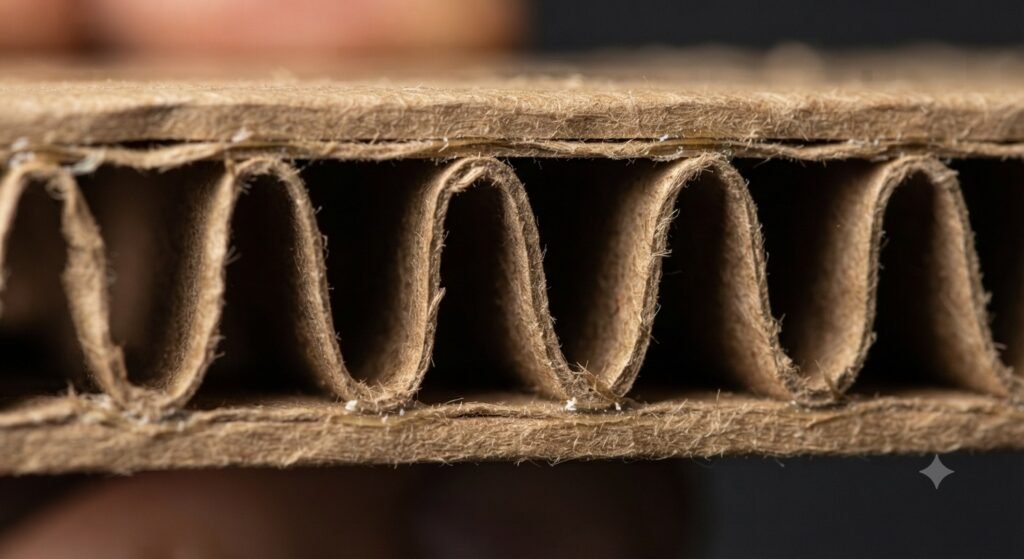
Corrugated boxes are engineered structures built with three distinct layers: an outer liner, an inner liner, and a fluted medium in between that gives the material its signature cushioning strength. When brands set out to design a packaging solution, choosing the correct flute profile (such as Flute A, B, C, E, or F) determines whether your corrugated boxes will withstand heavy industrial loads or provide a smooth, printable surface for luxury retail goods.
Corrugated boxes absorb shocks, resist crushing forces, and distribute weight evenly across transit networks. As you design a packaging layout, integrating these engineering principles ensures your items arrive in pristine condition, reducing return rates and boosting customer satisfaction with sturdy corrugated boxes.
Why Structural Integrity Matters in Shipping
Corrugated boxes protect your investments from moisture, temperature fluctuations, and rough handling during long-haul transit. When businesses design a packaging strategy without accounting for Edge Crush Test (ECT) ratings or Mullen burst strengths, fragile items frequently suffer damage inside substandard corrugated boxes.
Corrugated boxes tested for high burst resistance give eCommerce businesses the confidence to ship heavy or delicate products worldwide. By carefully calculating weight distribution before you design a packaging exterior, you ensure that your corrugated boxes maintain their structural stacking strength in crowded delivery trucks.
Branding and Visual Appeal on the Box Exterior
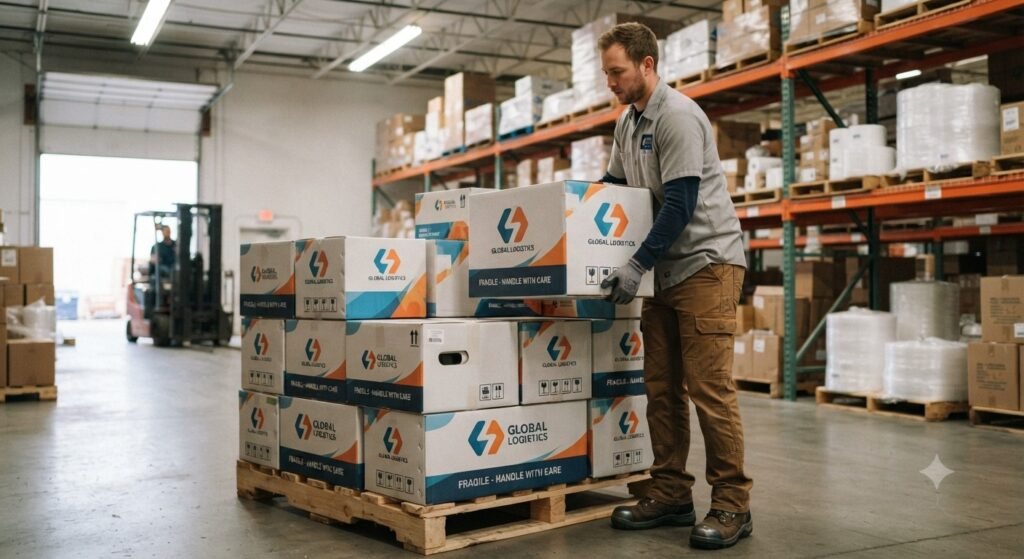
Corrugated boxes are no longer confined to plain brown utility; they are dynamic canvases for high-impact brand storytelling. Modern printing technologies allow you to design a packaging exterior utilizing flexography, digital printing, or litho-lamination directly onto premium corrugated boxes.
Corrugated boxes featuring vibrant logos, custom typography, and minimalist color palettes create an immediate emotional connection when delivered to a customer’s doorstep. When you design a packaging experience that utilizes the natural texture of corrugated boxes, your unboxing moments become viral social media content.

Eco-Friendly Advantages of Sustainable Materials
Corrugated boxes are championing the circular economy because they are manufactured from renewable, highly recyclable wood fibers. Consumers increasingly demand sustainable practices, making it essential to design a packaging system that minimizes environmental footprints using biodegradable corrugated boxes.
Corrugated boxes reduce reliance on single-use plastics and Styrofoam peanuts by utilizing clever paper-based inserts and molded pulp cushioning. When brands design a packaging architecture centered around recyclable corrugated boxes, they actively appeal to eco-conscious buyers who value corporate responsibility.
Cost-Efficiency and Supply Chain Optimization
Corrugated boxes offer lightweight durability that directly slashes dimensional weight shipping fees charged by major courier networks. Smart logistics managers design a packaging blueprint featuring custom-sized corrugated boxes that eliminate dead space and reduce the need for excessive void-fill materials.
Corrugated boxes ship and store completely flat, maximizing warehouse storage efficiency before assembly. When companies design a packaging workflow that optimizes box dimensions, overall operational expenditure drops significantly while transit safety increases inside custom corrugated boxes.
Frequently Asked Questions
What makes corrugated boxes different from standard cardboard boxes?
Corrugated boxes feature an internal fluted paper layer sandwiched between two linerboards, providing structural rigidity and cushioning. Standard cardboard (like cereal boxes) is simply a single thick paperboard layer without fluting, making it unsuitable for shipping heavy items.
How do I choose the right flute size when I design a packaging layout?
Flute size depends on your product needs. E-flute is thin and ideal for retail packaging with high-resolution printing, while C-flute or B-flute are thicker and optimized for heavy-duty shipping and stacking strength.
Can corrugated boxes be fully customized with brand colors and logos?
Yes, modern printing techniques such as digital printing, flexography, and litho-lamination allow brands to print vivid logos, brand colors, and handling instructions directly onto corrugated boxes for a professional finish.